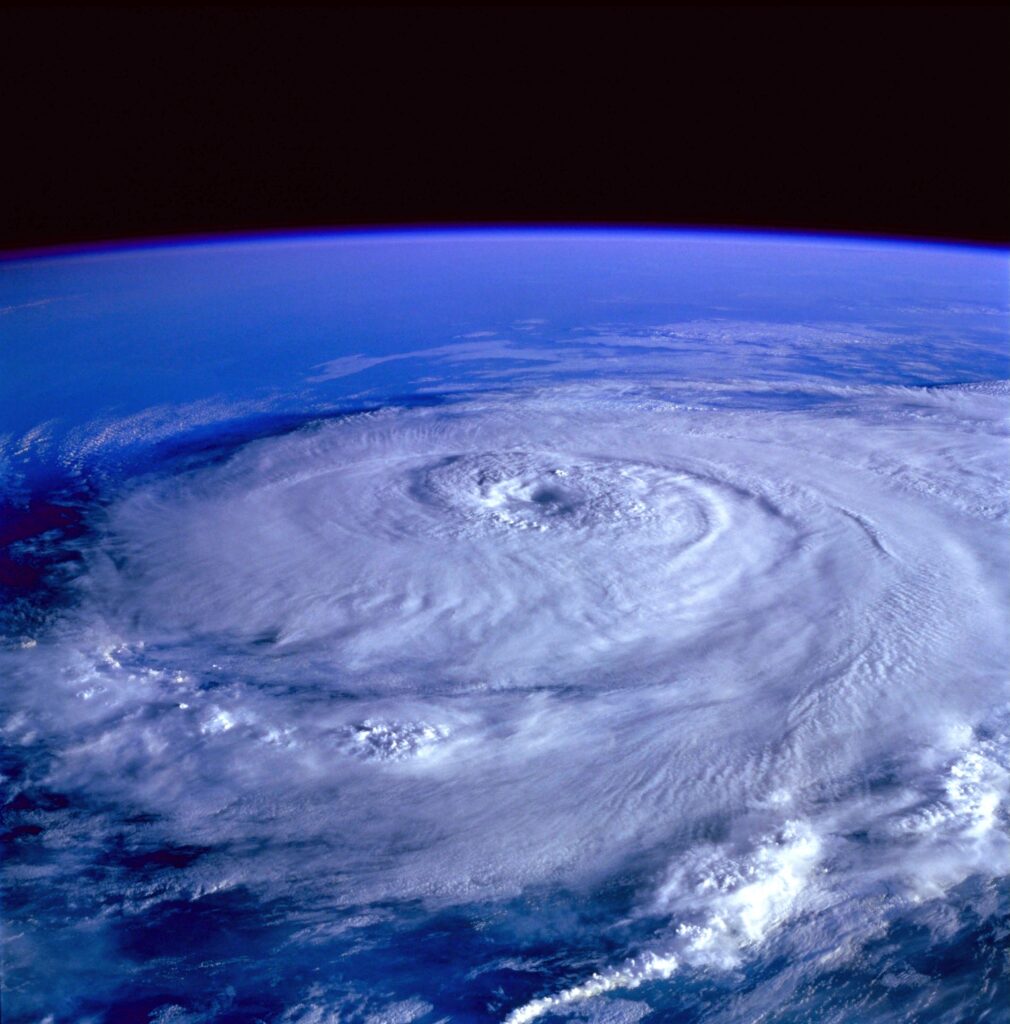
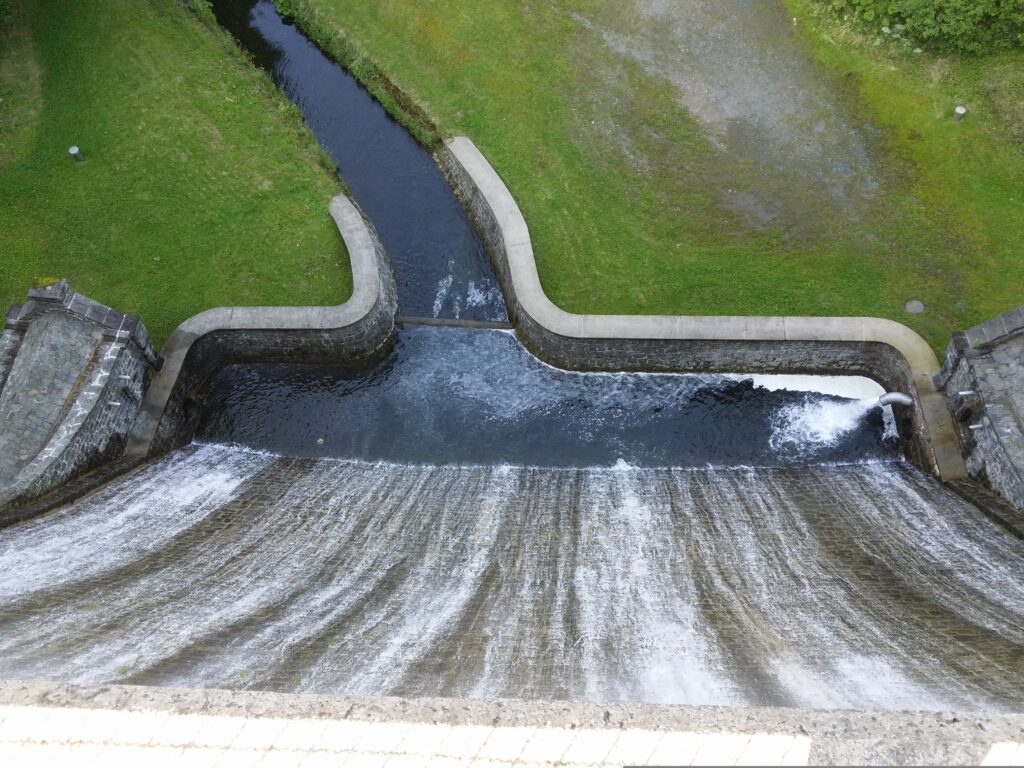
The EU is facing unprecedented modern climate extremes, such as severe droughts, devastating floods, and chronic water shortages, demand proactive decision-making and immediate attention to prevent the disruption of supply chains, the collapse of ecosystems and the energy crises. Today, only 37 percent of Europe’s surface water has a good or high ecological status, while 29 percent have a good chemical status, according to the EEA’s latest data.
In alignment with the European Water Resilience Strategy adopted in June 2025 which aims to increase overall water efficiency by at least 10% by 2030, e-genesis aims to secure water availability.
Key Gaps in Environmental Tracking
Coarse data for local decisions
Seasonal climate forecasts often lack the spatial detail needed to support regional and local water management.
Fragmented water intelligence
Soil moisture, snow, streamflow and other components of water availability are often assessed separately.
Limited forward-looking insight
Water managers need functional data on upcoming seasonal conditions, not just historical observations.
Supply and demand remain disconnected
Information on water availability is not sufficiently linked with water demand and socioeconomic factors.
e-genesis: Harnessing Earth Intelligence for Water Resilience
To support the European Water Resilience Strategy’s mandate of a 10% increase in water efficiency by 2030, e-genesis delivers the foresight needed to secure and sustain water availability across the EU. Focusing directly on the freshwater domain and the critical aspect of water availability, the project delivers applicable intelligence by producing two-season-ahead monthly forecasts for water quantity.
01
How much water melting mountain snow brings about?
Focusing on the Snow and Mountain Water Resources, e-genesis will provide 6-month snow water forecasts and foresights across the EU to support the Common Agricultural Policy (CAP) and water resource planning. It will capture high-altitude melt dynamics to predict seasonal water volumes.
02
How will soil moisture evolve for agriculture and ecosystems?
By utilising GenAI and Earth Observation data, a Soil Water Index (SWI) will be established to monitor soil moisture outlook across EU for agriculture purposes, groundwater recharge and vegetation conditions.
03
How much water do we have hidden underground?
When it comes to Groundwater (GW) in the EU, storage change forecasts will use the Soil Water Index as an indicator while cross-referencing its data with the EU GW storage data to analyse their relation and its key features.
04
How will river flows affect streamflow and hydropower?
By providing water outlook forecasts across the EU, stream flow, water availability and hydropower potential are under focus in order to strengthen decision-making around water management and hydropower planning linked to energy droughts.
05
Where should we allocate financial resources to maximize water efficiency?
Combining Earth Observation, water availability forecasts, human activity and regional economic data to provide tailored Water Investment Advice across the EU, supporting informed investment decisions based on water availability and socio-economic demand.
What will e-genesis bring to the table?
e-genesis will provide daily water-related information covering the entire EU for 215 days, with products updated monthly.
Seasonal Forecasting
Bias-adjusted and downscaled C3S seasonal forecasts, enhanced through Generative AI, from 1° to 0.1° resolution
Seasonal probabilities of Soil Water Index (SWI) at different soil depths, indicating vegetation water availability and groundwater recharge
Seasonal probabilities of Snow Water Equivalent (SWE), at 5 km resolution across the EU and 1 km over mountainous areas
Seasonal changes in groundwater storage to support water management and assessment of available water resources
Seasonal streamflow probabilities for 650,000 stream sections in small catchments, supporting reservoir management and river water-use planning
Water Demand & Economic Impact
Catchment-scale water demand information
Economic analysis of water-use benefits, extending water-demand information to assess economic impacts and support investment in water infrastructure
Methodology
e-genesis: Harnessing Earth Intelligence for Water Resilience
Climate & Earth Observation Inputs
Bias Adjustments & Downscaling
Water- State Modelling
Integrated Hydrological Forecasting
Seasonal Water Availability
Water Demand & Economic Assessment
Water Resilience Decision Support
TURNING EARTH INTELLIGENCE INTO REAL-WORLD IMPACT
Designed with communities
Water-resource managers
Anticipate water availability and emerging seasonal risks.
Public authorities & policymakers
Support adaptation planning and water-management decisions.
Agriculture & land managers
Improve preparedness for changing water conditions.
Research & Hydrology Community
Combine climate, EO and modelling capabilities into operational intelligence.